
Introduction
When it comes to maintaining a clean home, choosing the right vacuum cleaner can make all the difference. With the rapid advancements in technology, homeowners now have more options than ever before. Enter the robot vacuum and the regular vacuum — two powerful cleaning devices with their own unique characteristics. To make an informed decision, it’s crucial to understand the features, pros, and ideal use cases of each type. This comprehensive comparison will help you decide which vacuum suits your home better.
Understanding Robot Vacuums
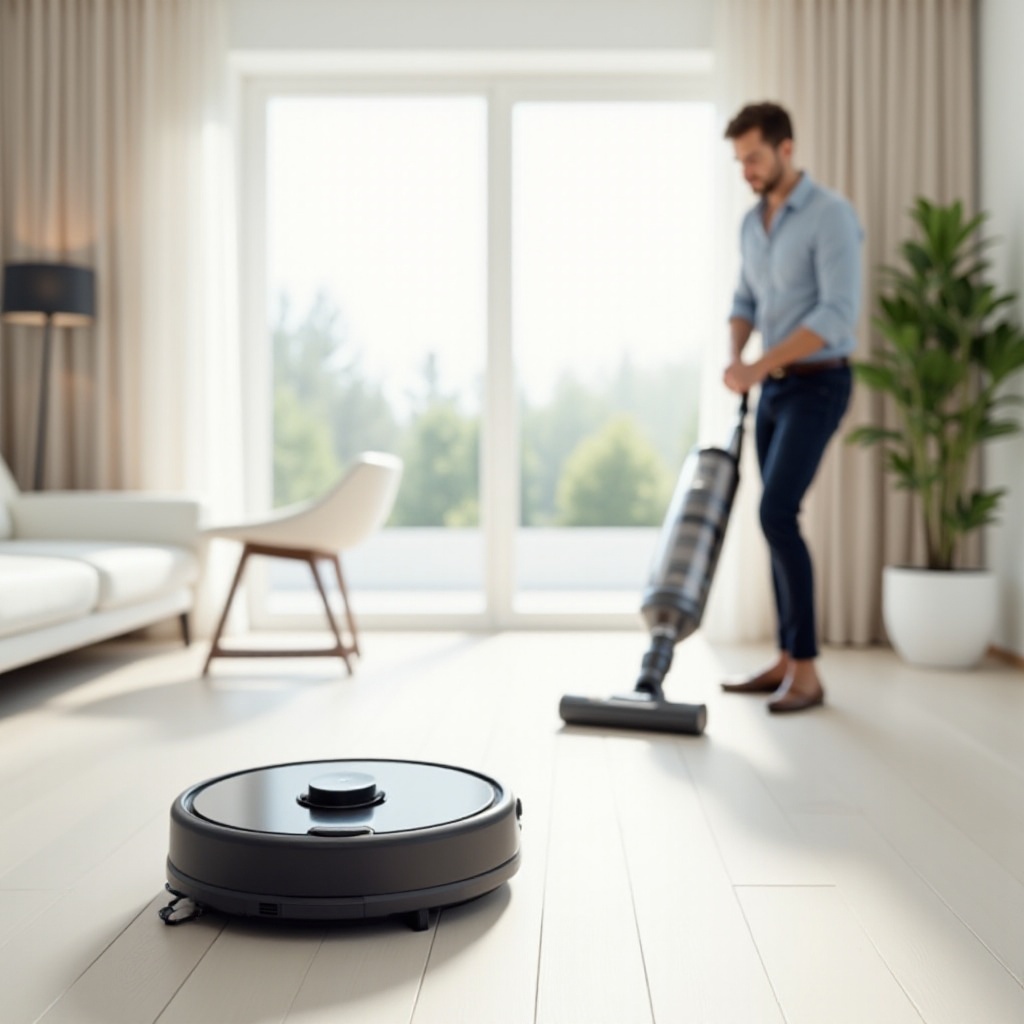
Robot vacuums are the latest innovation in the world of home cleaning appliances. Designed to autonomously navigate through your home, these machines promise a hassle-free cleaning experience.
Key Features of Robot Vacuums
Robot vacuums come equipped with sophisticated features:
– Autonomous Navigation: Advanced sensors and mapping technology allow these vacuums to maneuver around obstacles with ease.
– Scheduling Functions: Users can program these vacuums to operate at specific times, ensuring a clean home without manual intervention.
– Compact Design: Their small size enables them to clean hard-to-reach areas, such as under furniture.
– Smart Home Integration: Many models can be controlled via smartphone apps or voice-activated assistants.
Pros of Using a Robot Vacuum
The advantages of robot vacuums are compelling:
1. Convenience: Robot vacuums require minimal effort from homeowners, making them perfect for busy individuals.
2. Efficiency: Their ability to clean autonomously saves time while ensuring consistent cleaning.
3. Adaptability: These vacuums can navigate different types of flooring and adjust their settings accordingly.
4. Noise Reduction: Typically quieter than regular vacuums, making them ideal for use even when people are at home.
Exploring Regular Vacuums
Regular vacuums have been household staples for decades. Available in several types, they remain trusted tools for deep and thorough cleaning.
Types of Regular Vacuums
Regular vacuums come in various forms:
1. Upright Vacuums: Known for their powerful suction and large dust capacity, making them suitable for extensive cleaning tasks.
2. Canister Vacuums: These vacuums offer better maneuverability and are equipped with various attachments for versatile cleaning.
3. Stick Vacuums: Lightweight and portable, ideal for quick clean-ups and maneuvering in tight spaces.
4. Handheld Vacuums: Best for small spills and quick clean-ups in confined areas.
Pros of Using a Regular Vacuum
There are several reasons why regular vacuums remain popular:
1. Powerful Suction: Regular vacuums tend to have stronger suction power, making them highly effective on carpets and for deep cleaning.
2. Versatility: With different attachments, these vacuums can handle a variety of cleaning tasks.
3. Reliability: Regular vacuums typically have fewer technical issues and can be more durable over time.
4. Cost-Effective: Generally, they come at a lower initial cost compared to high-end robot vacuums.
Head-to-Head Comparison
When deciding between a robot vacuum and a regular vacuum, several factors should be considered:
Cleaning Efficiency and Effectiveness
- Robot Vacuums: Excel in daily maintenance and maintaining clean floors with minimal effort. They are good for surface-level cleaning but might struggle with deep cleaning tasks.
- Regular Vacuums: Offer exceptional cleaning power and are better suited for deep cleaning carpets, large areas, and places that require thorough dirt removal.
Convenience and Ease of Use
- Robot Vacuums: Highly convenient due to their autonomous nature. Ideal for users who prefer setting it and forgetting it.
- Regular Vacuums: Require manual operation, which can be time-consuming but offers more control over cleaning tasks.
Maintenance and Lifespan
- Robot Vacuums: Require regular maintenance such as emptying the dustbin, cleaning sensors, and replacing parts like brushes and filters. Their technology can sometimes lead to higher repair costs.
- Regular Vacuums: Generally easier to maintain with straightforward components. Parts are widely available and often more affordable to replace.
Cost Analysis
- Robot Vacuums: Higher initial cost and potentially higher maintenance expenses due to advanced technology and parts.
- Regular Vacuums: Lower initial cost and typically less expensive maintenance, making them a budget-friendly option for many households.
Best Scenarios for Each Type
Choosing the right vacuum depends on your specific needs and living environment.
Ideal for Robot Vacuums
- Busy Individuals: Perfect for those with hectic schedules who desire a clean home with minimal effort.
- Tech Enthusiasts: Those who enjoy integrating smart home devices and prefer the ease of control through apps and voice assistants.
- Homes with Hard Floors: Particularly effective on hardwood, tile, and laminate floors.
Best Suited for Regular Vacuums
- Families and Pet Owners: Suitable for homes that require deep cleaning due to high traffic and pet hair.
- Large Homes: Effective for thoroughly cleaning larger spaces where stronger suction is needed.
- Budget-Conscious Buyers: Those looking for reliable cleaning solutions at a lower upfront cost.
User Testimonials and Expert Opinions
Customers and experts offer valuable insights:
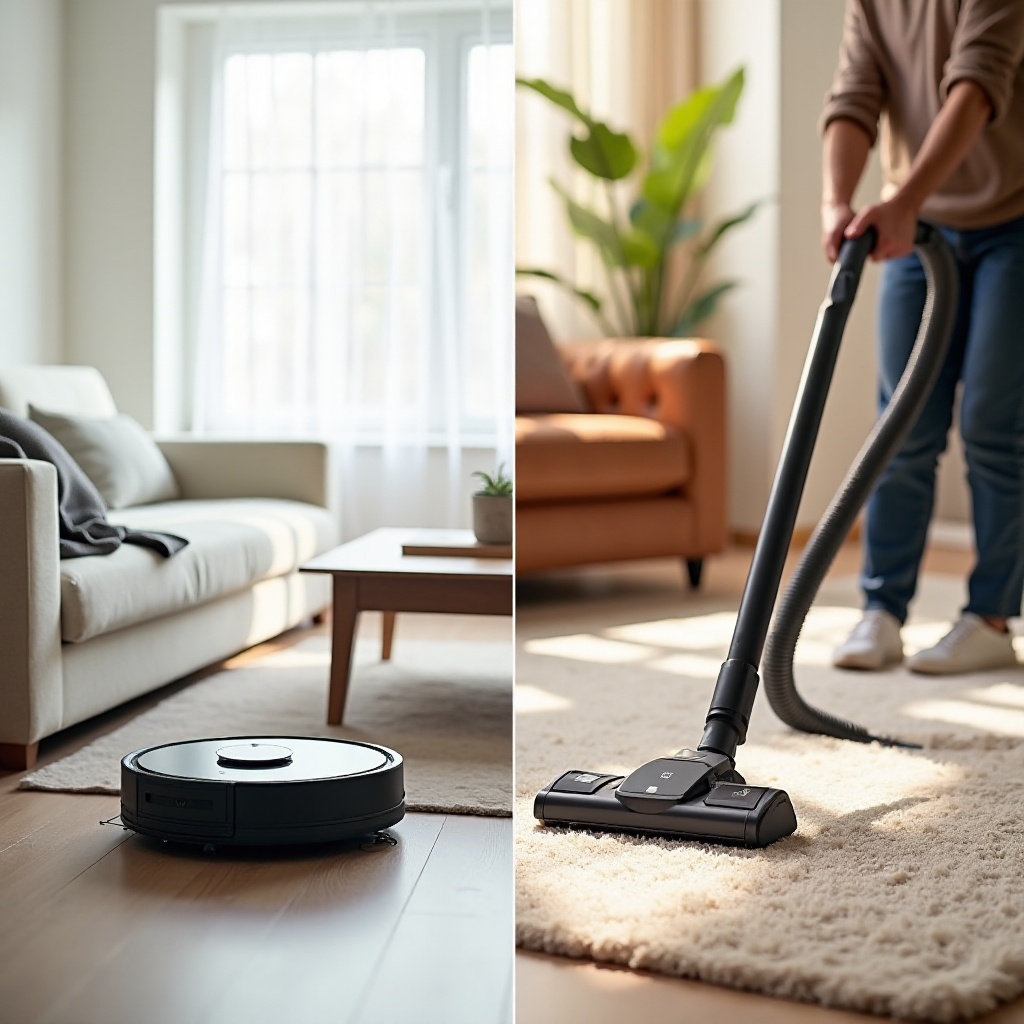
– User Testimonials: Many users appreciate the convenience and time-saving aspects of robot vacuums, while others rely on the powerful performance of regular vacuums for a more thorough clean.
– Expert Opinions: Experts suggest evaluating the specific needs and preferences of your home, considering factors like cleaning habits, floor types, and budget.
Conclusion
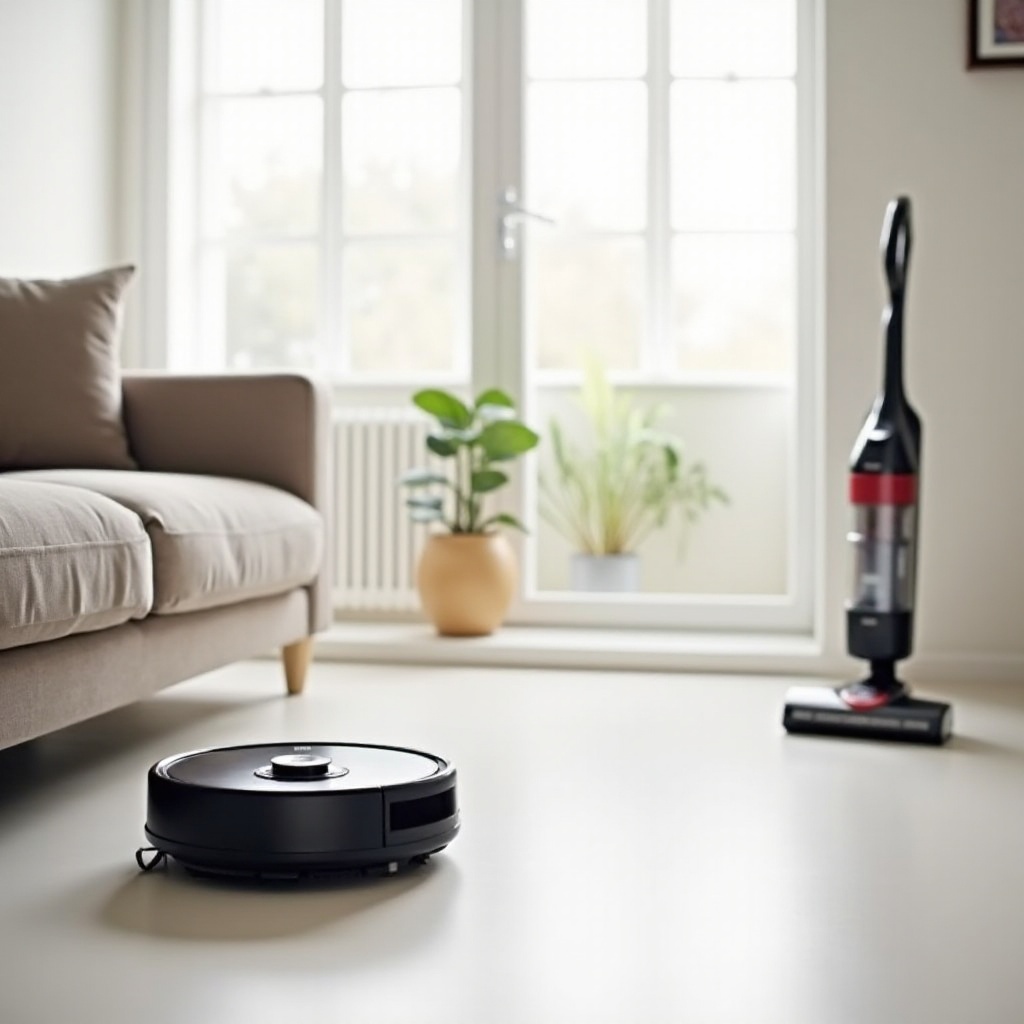
Both robot vacuums and regular vacuums come with their own set of advantages. The right choice depends on your lifestyle, home environment, and cleaning preferences. Whether you value convenience or powerful performance, understanding each option helps in making the best decision for your home.
Frequently Asked Questions
Are robot vacuums better than regular vacuums for pet hair?
Robot vacuums can manage pet hair effectively with daily use, but regular vacuums with high suction power might be better for homes with heavy shedding.
How often do you need to replace a robot vacuum?
Robot vacuums generally last between 3 to 5 years with proper maintenance and regular part replacements.
Do robot vacuums work well on carpets?
Yes, but their performance can vary. Robot vacuums work best on low-pile carpets, although high-end models can also handle medium-pile carpets effectively.